Machame Route Altitude: Reaching New Heights
Experience a journey of lifetime and explore the challenges and triumphs of Machame Route altitude. Discover tips for reaching new heights on Mount Kilimanjaro.
Get Your PDF Instantly

Machame Route Altitude
Machame route altitude is the measurement of elevation along the Machame route, crucial for acclimatization and summit success. In this guide, we delve deep into the intricacies of Machame Route altitude, offering insights and advice for those seeking to reach new heights on Africa’s tallest peak.
Understanding Altitude on the Machame Route
Altitude plays a pivotal role in the Machame Route experience, presenting climbers with both physical and mental challenges. As climbers ascend the slopes of Kilimanjaro, they are confronted with the effects of high altitude, including decreased oxygen levels, changes in atmospheric pressure, and an increased risk of altitude-related illnesses such as altitude sickness.
Machame route altitude zones
The Machame Route traverses through several distinct altitude zones, each characterized by its own unique features and challenges:
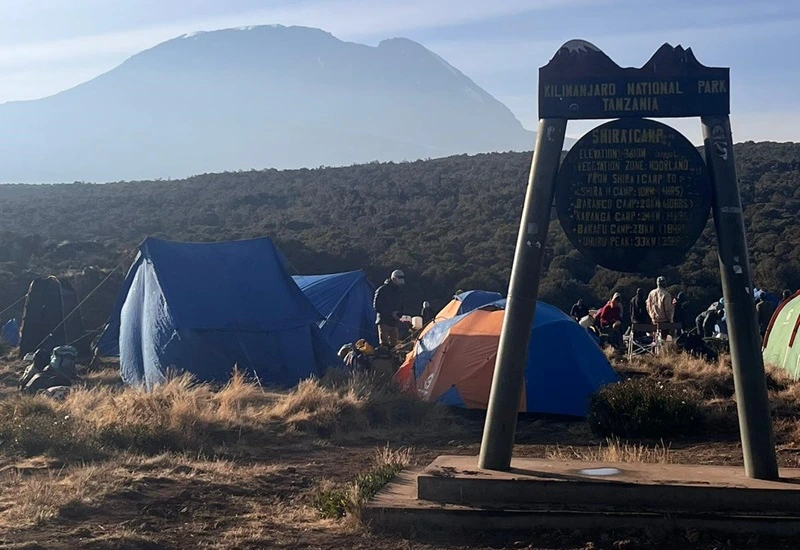
1. Rainforest Zone: The journey begins in the lush rainforests of Kilimanjaro, where climbers are enveloped in a verdant canopy of trees and vibrant vegetation. The altitude here ranges from approximately 1,800 to 2,800 meters (5,900 to 9,200 feet) above sea level.
2. Heath and Moorland Zone: As climbers ascend higher, they transition into the heath and moorland zones, characterized by open grasslands and scattered shrubs. Altitudes range from 2,800 to 4,200 meters (9,200 to 13,800 feet), and the air becomes noticeably thinner.
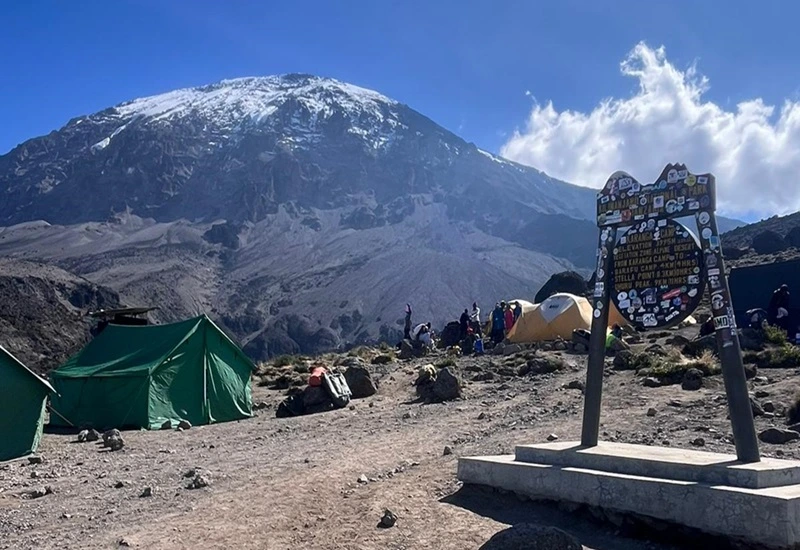
3. Alpine Desert Zone: The landscape changes dramatically as climbers enter the alpine desert zone, which is marked by rocky terrain and sparse vegetation. Altitudes here range from 4,200 to 5,000 meters (13,800 to 16,400 feet), and the effects of altitude become more pronounced.
4. Arctic Zone: The final stretch to the summit takes climbers through the arctic zone, where the air is thin and temperatures plummet. Altitudes soar above 5,000 meters (16,400 feet), culminating at Uhuru Peak, the highest point on Mount Kilimanjaro.
Coping with Machame route altitude challenges
To cope with the challenges of altitude on the Machame Route, climbers must employ various strategies:
1. Gradual Acclimatization: Ascend slowly and allow your body time to adjust to the decreasing oxygen levels. Spend additional nights at higher altitudes to aid acclimatization.
2. Stay Hydrated: Drink plenty of water to prevent dehydration, a common side effect of altitude. Aim for at least three to four liters of water per day.
3. Recognize Symptoms: Be aware of the signs of altitude sickness, including headaches, nausea, dizziness, and fatigue. Descend immediately if symptoms worsen.
4. Follow guides’ advice: Listen to the guidance of experienced guides who are trained to recognize and manage altitude-related issues. Trust their judgment and follow their instructions.
Celebrating Summit Success
Reaching the summit of Mount Kilimanjaro is a monumental achievement, made all the more rewarding by the challenges of altitude. Standing atop Uhuru Peak, at an elevation of 5,895 meters (19,341 feet), climbers are rewarded with sweeping panoramic views and an overwhelming sense of accomplishment. The journey may be arduous, but the memories of conquering Machame Route altitude will last a lifetime. So lace up your boots, breathe in the thin mountain air, and embrace the challenge of reaching new heights on Kilimanjaro’s iconic Machame Route.
Machame adventure: Inquiry Form
Required fields are marked *
Machame adventure - Related Articles


Ready to organize an unforgettable African adventure?
Grace is available to assist you and can provide a free quote with no obligation.