Lemosho route acclimatization: acclimatize right on Lemosho
Discover the best Lemosho route acclimatization strategies for a successful Kilimanjaro climb. Expert tips to acclimatize and enhance your trekking experience.
Get Your PDF Instantly

Lemosho Route Acclimatization
Mount Kilimanjaro, Africa’s tallest peak, beckons adventurers from around the globe, offering them a challenge and the chance to witness unparalleled natural beauty. Among the various routes to its summit, the Lemosho route stands out for its scenic beauty, remote start, and, importantly, its excellent acclimatization profile. Proper acclimatization on the Lemosho route is crucial for climbers aiming to reach the summit successfully and safely. This comprehensive guide will delve into the essentials of Lemosho route acclimatization, ensuring climbers are well-prepared for their journey.
Understanding acclimatization
Acclimatization is the process by which the body adjusts to higher altitudes and decreases oxygen levels. The Lemosho route’s design facilitates this naturally, with its longer duration and gradual ascent. However, understanding and respecting the acclimatization process is key to minimizing the risks of altitude sickness.
The Lemosho route: An ideal path for acclimatization
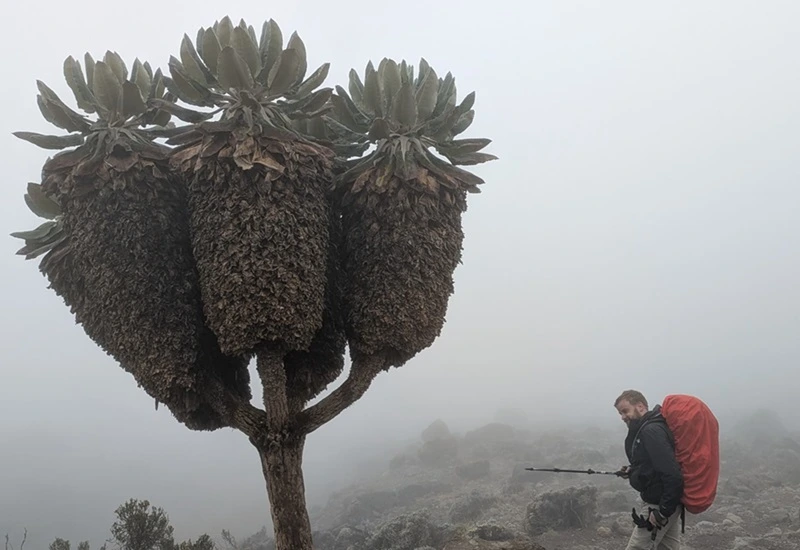
Spanning 7 to 9 days, the Lemosho route offers a perfect blend of beauty and a gradual acclimatization curve. Its start through the lush rainforests of Kilimanjaro National Park not only provides breathtaking views but also a gentle introduction to higher elevations.
Key Acclimatization Strategies on the Lemosho Route
Day by day acclimatization on Lemosho
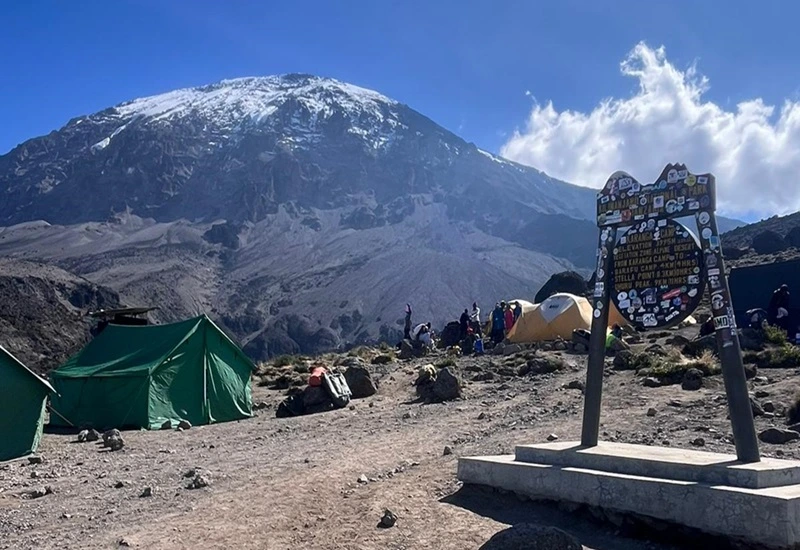
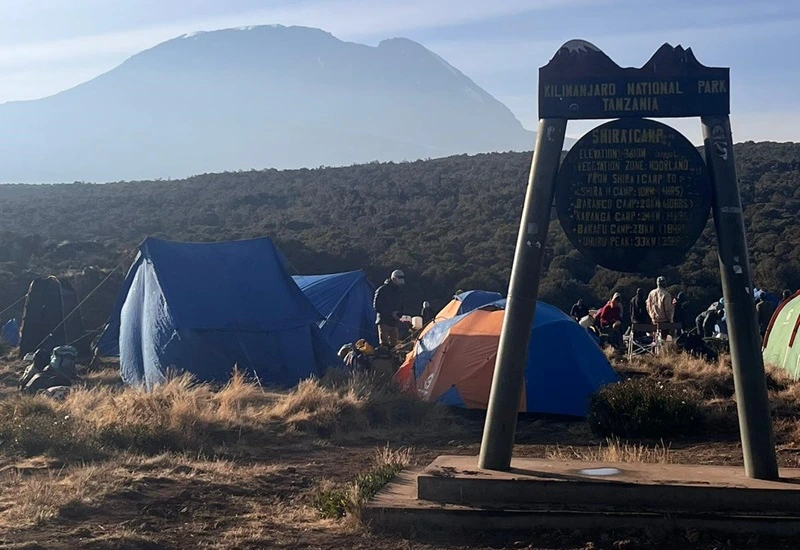
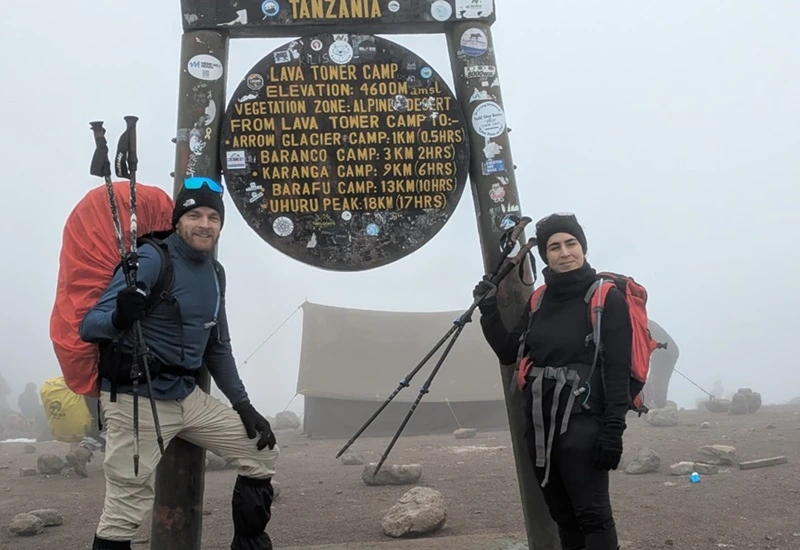
The journey begins at Londorossi Gate, gradually ascending through the forest and into the heath zone, where climbers spend their first night. Each day, trekkers ascend to higher altitudes, allowing their bodies to adapt. Importantly, the route includes "climb high, sleep low" opportunities, particularly on the approach to and descent from the Lava Tower, which is crucial for acclimatization.
Importance of slow ascent
The mantra for successful acclimatization is a slow and steady ascent, allowing the body to adjust to the altitude gradually. The Lemosho route is designed to encourage this, with its longer itinerary options providing ample time for adjustment.
Hydration and nutrition
Hydration is a cornerstone of acclimatization. Drinking plenty of water helps mitigate altitude sickness symptoms. Equally important is nutrition; a well-balanced diet supports the body’s adjustment to altitude.
Recognizing altitude sickness symptoms
Acclimatization efforts on the Lemosho route also involve vigilance for altitude sickness symptoms, including headaches, nausea, and dizziness. Early recognition and response are crucial to ensuring safety and health.
Acclimatization days: Use them wisely
The Lemosho route includes acclimatization days, which are not merely rest days but opportunities to further adapt to the altitude. Engaging in light trekking or exploring the surrounding areas during these days can aid in acclimatization.
The role of guides and porters
Experienced guides and porters are invaluable on the Lemosho route. They are adept at spotting signs of altitude sickness and can make critical decisions about the pace of ascent and when extra acclimatization time is needed.
Preparing for the climb: physical and mental readiness
Preparation for the Lemosho route goes beyond physical training. Mental readiness, understanding the importance of acclimatization, and trusting in the process are essential components of a successful climb.
Listen to your body
The key to acclimatizing right on the Lemosho route is to listen to your body. Everyone reacts differently to altitude, and there is no one-size-fits-all approach. Adjusting pace, taking rest days, and staying hydrated and nourished are personal and crucial decisions.
The summit push: Acclimatization’s final test
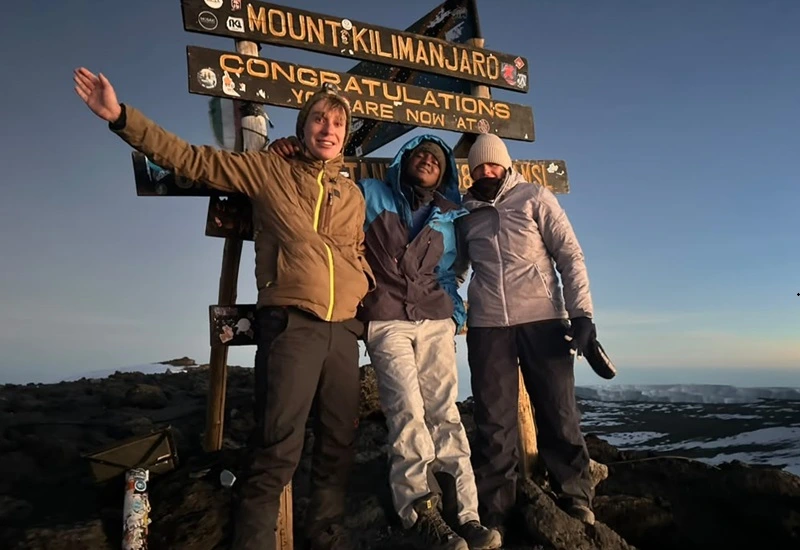
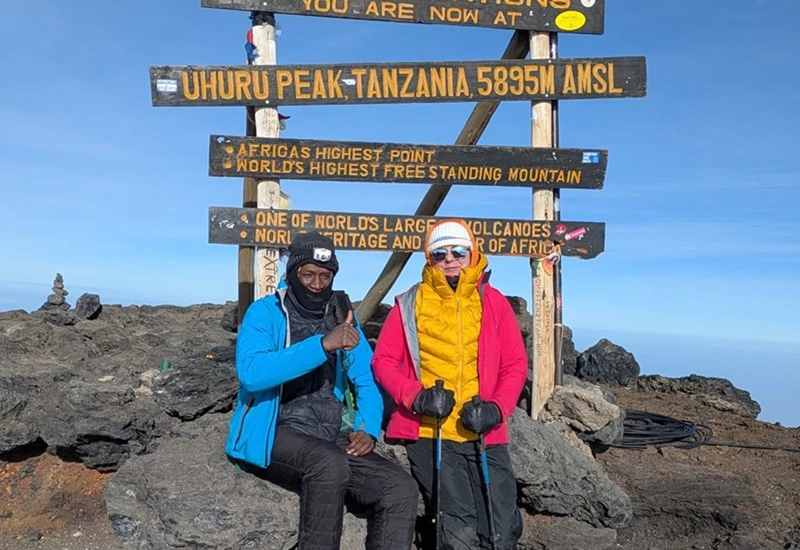
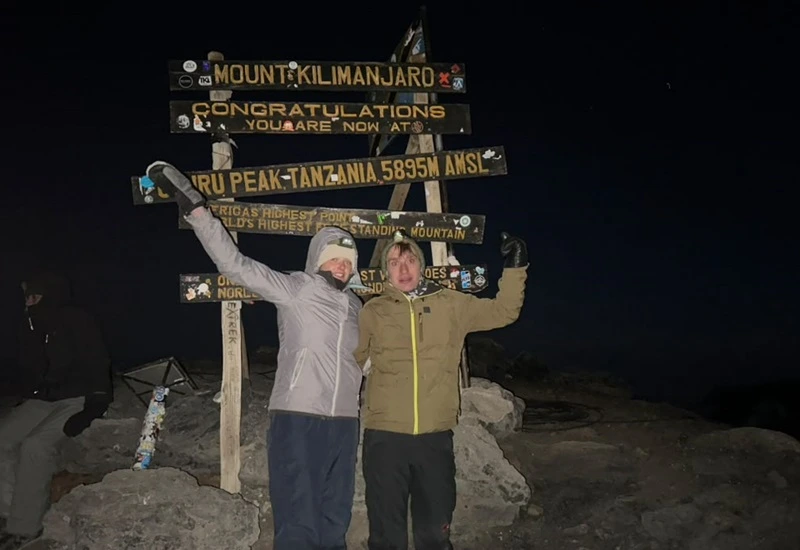
The summit push is the ultimate test of acclimatization on the Lemosho route. Starting from Barafu Camp, climbers make their final ascent to Uhuru Peak. This phase underscores the importance of all preceding acclimatization efforts.
After the Summit: Descending Safely
A safe descent is an integral part of the acclimatization process. The rapid descent after summiting can lead to problems if not managed correctly, highlighting the importance of a controlled pace and attention to the body’s signals.
Conclusion: Acclimatize right, Summit Successfully
Acclimatizing right on the Lemosho route is a blend of science, preparation, and attentiveness to one’s body. By following a structured acclimatization process, climbers significantly increase their chances of enjoying a successful and memorable summit of Mount Kilimanjaro. The journey along the Lemosho route, with its stunning landscapes and rigorous path, is not just a trek but a life-changing experience, where the right acclimatization practices play a pivotal role in reaching the rooftop of Africa.
Lemosho tour trip: Inquiry Form
Required fields are marked *
Lemosho tour trip - Related Articles


Ready to organize an unforgettable African adventure?
Grace is available to assist you and can provide a free quote with no obligation.