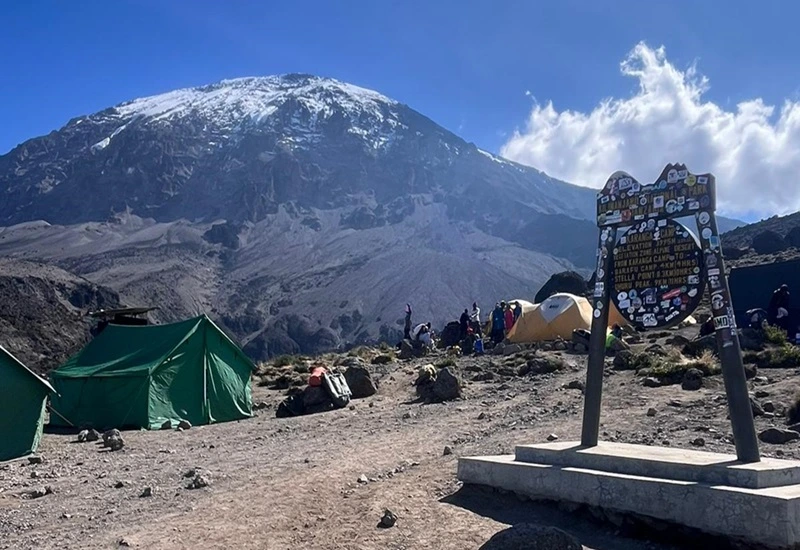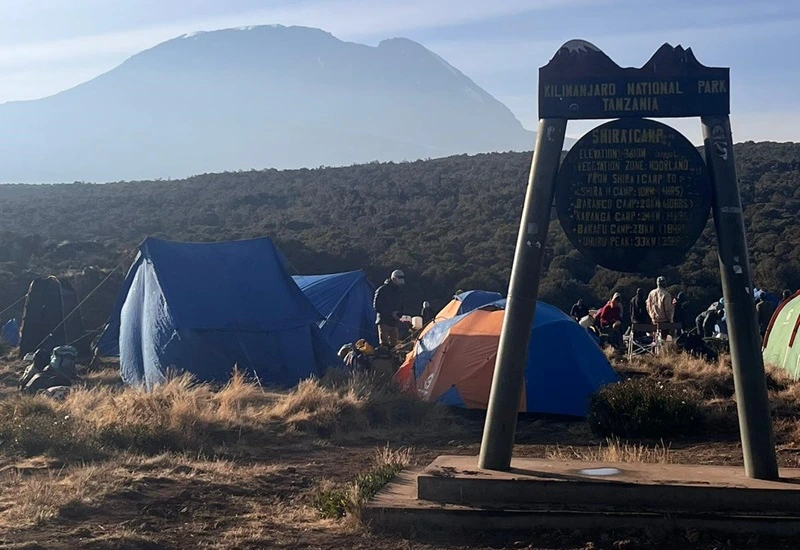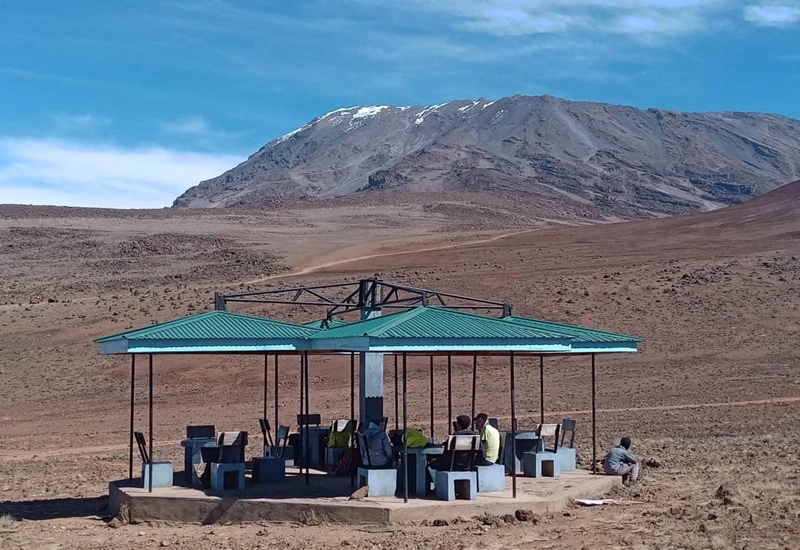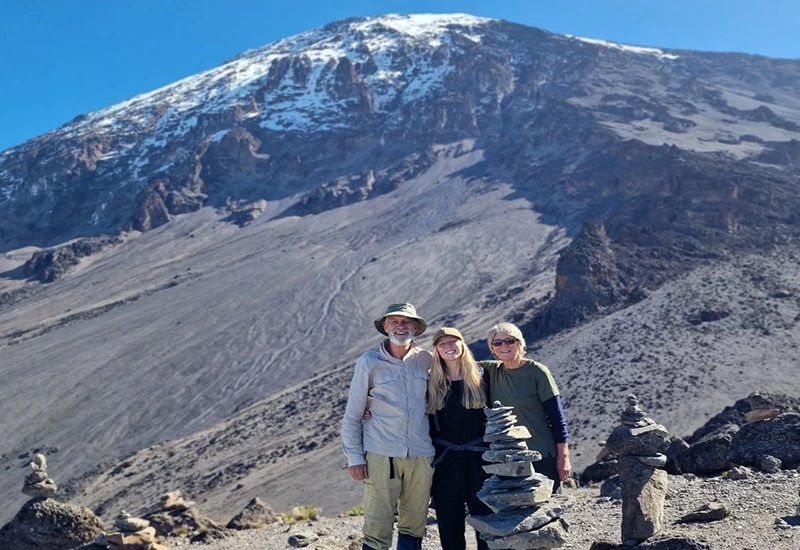
Kilimanjaro National Park History: Heritage and Preservation
Delve into the rich heritage and preservation efforts of Kilimanjaro National Park history. Explore the park’s evolution and conservation initiatives.
Get Your PDF Instantly

Kilimanjaro National Park History
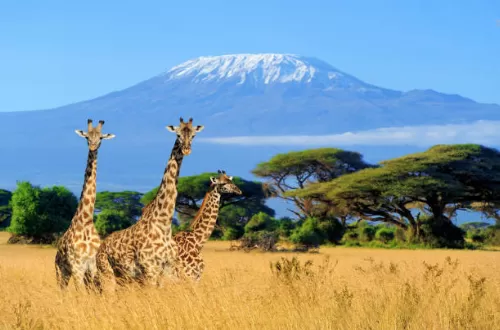
Kilimanjaro National Park history is a tapestry woven with threads of heritage, conservation, and natural wonder. As one of Tanzania’s most iconic landmarks, Mount Kilimanjaro has captivated the imagination of explorers and conservationists for centuries. In this comprehensive guide, we explore a journey through time to uncover the park’s storied past and the ongoing efforts to preserve its natural beauty for future generations.
Origins of Kilimanjaro National Park
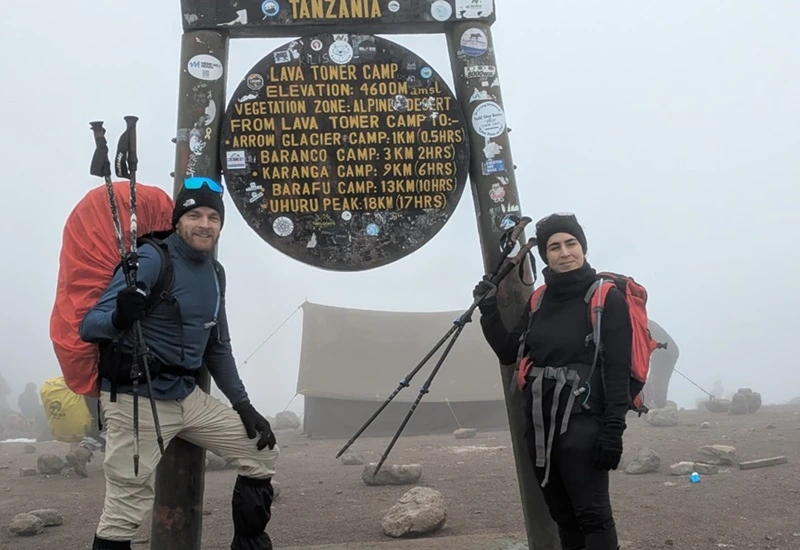
The history of Kilimanjaro National Park dates back to 1910, when the area surrounding the majestic mountain was first declared a forest reserve by the German colonial authorities. Over the years, the park’s boundaries expanded to encompass a diverse range of ecosystems, including montane forests, moorlands, and alpine deserts. In 1973, UNESCO recognized Kilimanjaro as a World Heritage Site in recognition of its outstanding natural and cultural significance.
Cultural Heritage and Indigenous Communities
Beyond its natural beauty, Kilimanjaro National Park is also home to a rich tapestry of cultural heritage and indigenous communities. The Chagga people, who have inhabited the slopes of Kilimanjaro for centuries, have a deep spiritual connection to the mountain and its surrounding forests. Their traditional knowledge and conservation practices play a vital role in the preservation of the park’s biodiversity and ecosystems.
Conservation Challenges and Initiatives
Despite its protected status, Kilimanjaro National Park faces numerous conservation challenges, including deforestation, climate change, and habitat loss. In response, various stakeholders, including government agencies, NGOs, and local communities, have implemented conservation initiatives to safeguard the park’s natural resources. Reforestation projects, community-based conservation programs, and sustainable tourism practices are just a few examples of the efforts underway to protect Kilimanjaro’s unique ecosystems.
Wildlife and Biodiversity
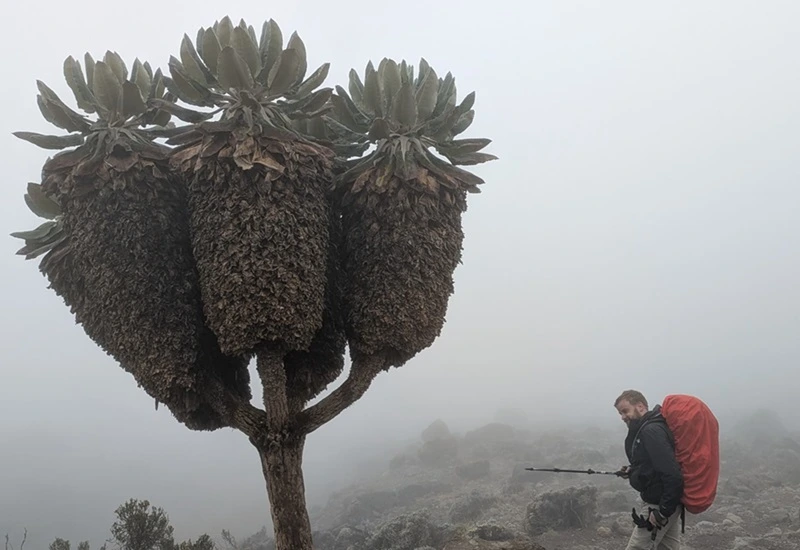
Kilimanjaro National Park is not only renowned for its towering peaks but also for its diverse wildlife and biodiversity. The park is home to a wide range of species, including elephants, buffaloes, leopards, and primates such as colobus monkeys and blue monkeys. Additionally, the montane forests of Kilimanjaro provide habitat for numerous endemic plant species, many of which are found nowhere else on earth.
Visitor Experience and Tourism
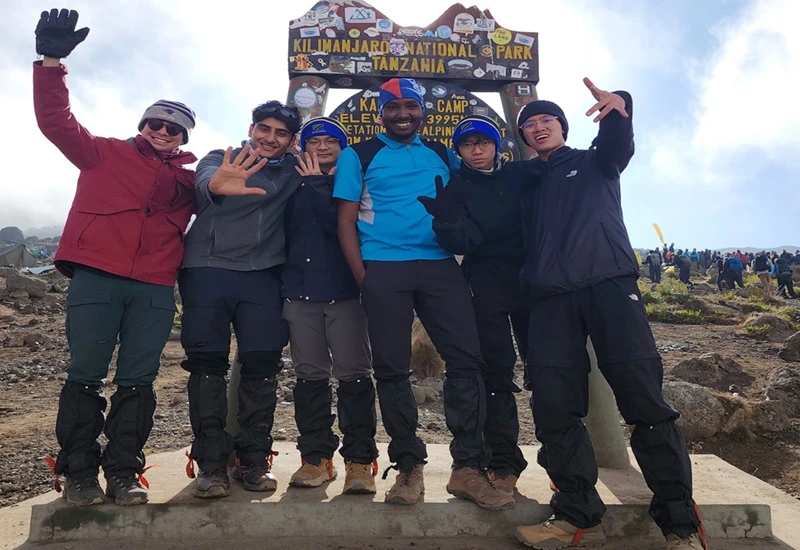
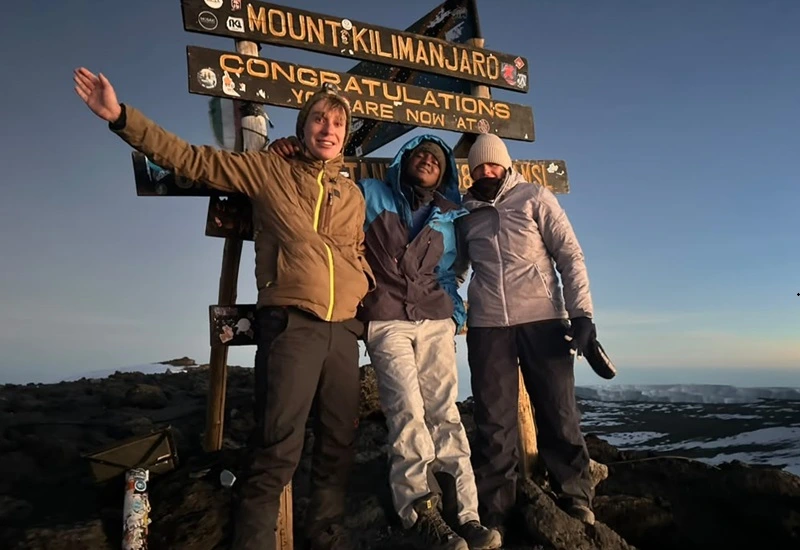
Each year, thousands of visitors flock to Kilimanjaro National Park to experience the awe-inspiring beauty of Africa’s highest peak. Whether trekking to the summit, exploring the park’s lush forests, or discovering on a cultural tour of Chagga villages, visitors are immersed in the park’s rich history and natural heritage. Responsible tourism practices, such as Leave No Trace principles and supporting local communities, are essential for minimizing the impact of visitors on the park’s fragile ecosystems.
Future Outlook and Preservation Efforts
As Kilimanjaro National Park enters a new era, the challenges of conservation and preservation remain ever-present. Climate change poses a significant threat to the park’s glaciers and ecosystems, while increasing human activities place additional pressure on its resources. However, with continued collaboration and commitment from stakeholders at all levels, Kilimanjaro National Park can continue to thrive as a symbol of natural beauty and biodiversity for generations to come.
Preserving a Natural Wonder
Kilimanjaro National Park history is a testament to the enduring legacy of conservation and preservation. By honoring its cultural heritage, protecting its biodiversity, and embracing sustainable tourism practices, we can ensure that this natural wonder remains a source of inspiration and wonder for future generations. Together, we can safeguard Kilimanjaro National Park for the benefit of all who cherish its beauty and significance.
Kilimanjaro Tours: Inquiry Form
Required fields are marked *
Kilimanjaro Tours - Related Articles


Ready to organize an unforgettable African adventure?
Grace is available to assist you and can provide a free quote with no obligation.