Kilimanjaro National Park Climate: Weather Patterns
Explore the diverse Kilimanjaro National Park climate and weather patterns. Discover the ideal times to visit this iconic destination.
Get Your PDF Instantly

Kilimanjaro National Park Climate
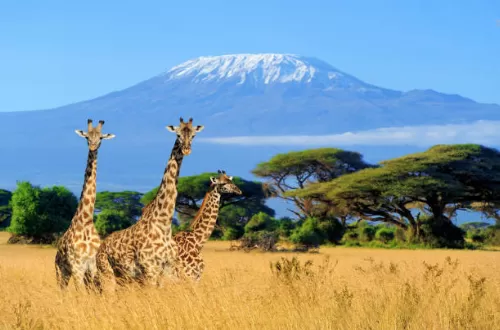
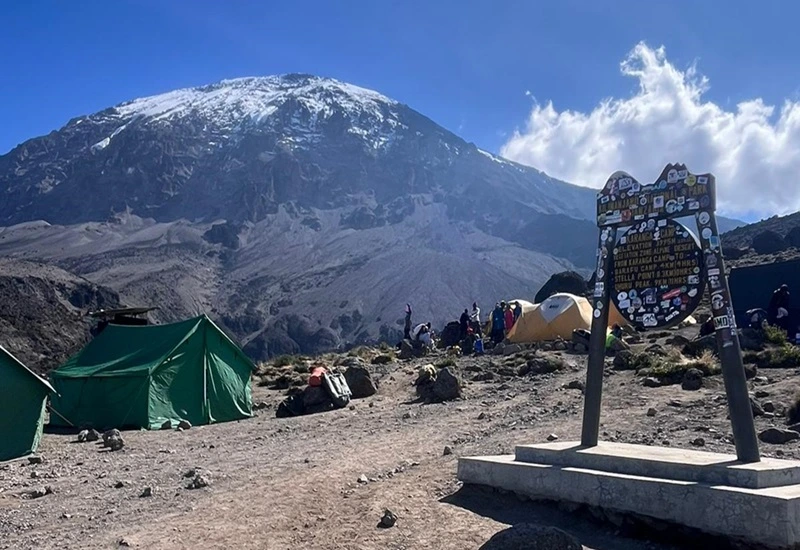
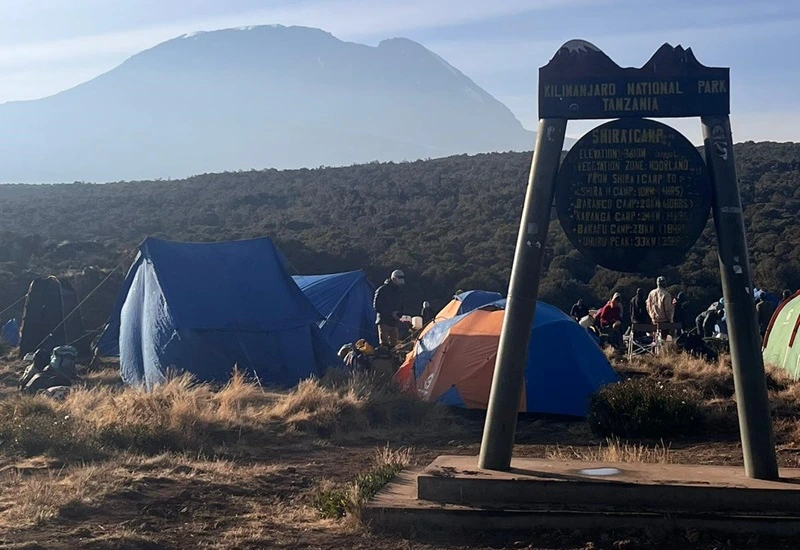
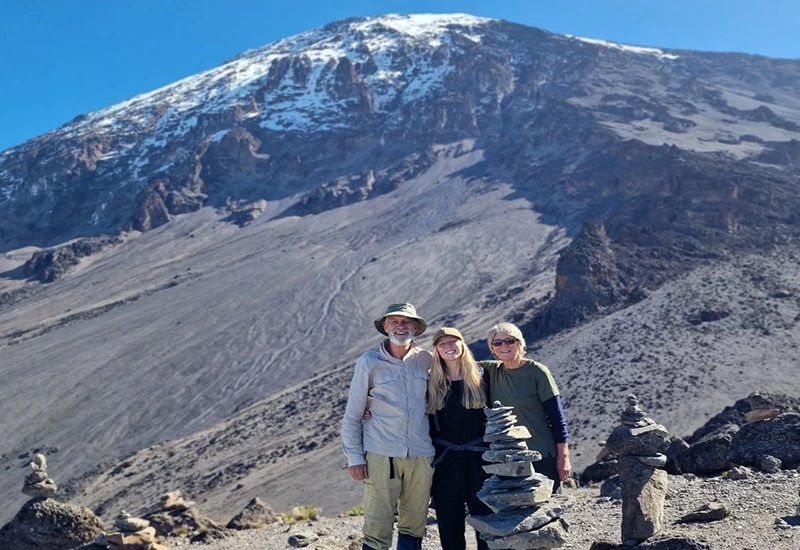
Kilimanjaro National Park climate is the epitome of diversity, encompassing lush rainforests, alpine meadows, and Arctic-like glaciers, creating unique microclimates. Kilimanjaro National Park is renowned for its breathtaking landscapes, diverse ecosystems, and iconic snow-capped peak. Understanding the climate and weather patterns of this unique UNESCO World Heritage Site is essential for planning a successful visit. In this guide, we delve into the various factors that influence the climate of Kilimanjaro National Park and provide insights into the best times to explore this natural wonder.
Geographic Location and Altitude
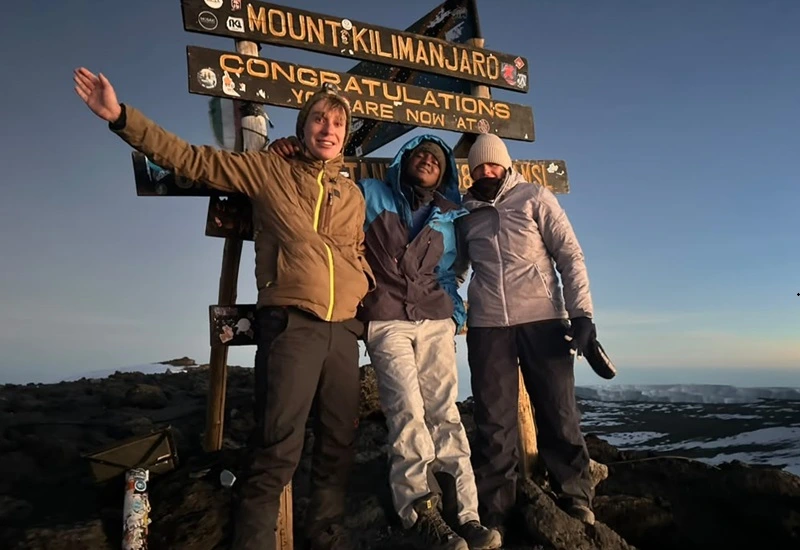
Located in northeastern Tanzania, Kilimanjaro National Park encompasses the majestic Mount Kilimanjaro, Africa’s highest peak. The park spans an altitude range of approximately 2,800 meters (9,186 feet) at its lowest point to 5,895 meters (19,341 feet) at the summit of Uhuru Peak. This significant variation in altitude contributes to the diverse climate zones found within the park, ranging from lush rainforests to alpine deserts and glaciated summits.
Kilimanjaro National Park Climatic Zones
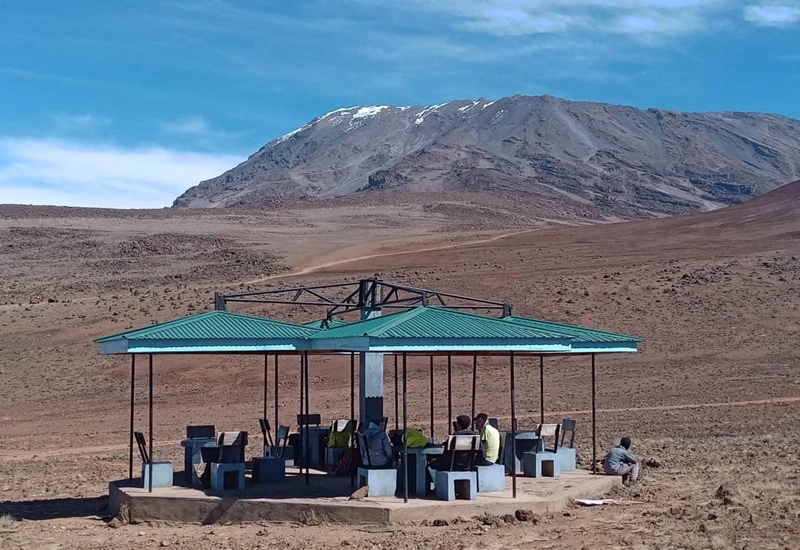
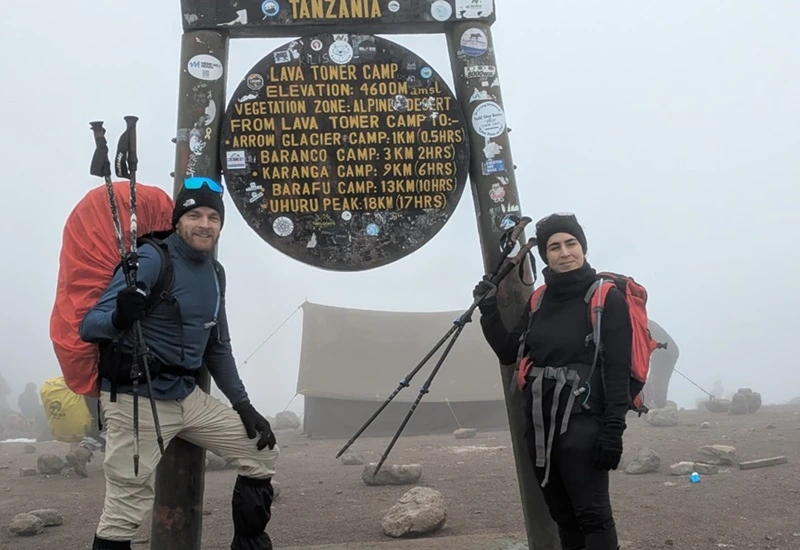
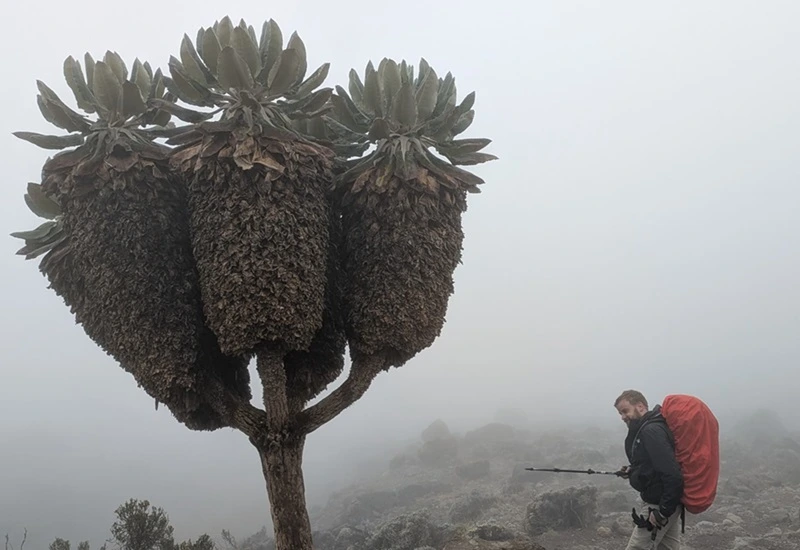
Kilimanjaro National Park is characterized by distinct climatic zones, each with its own unique weather patterns and ecological features. The lower slopes of the mountain are covered in dense montane forests, where rainfall is abundant throughout the year. As climbers ascend higher, they transition through zones of moorland, heath, and alpine desert, where precipitation becomes increasingly scarce and temperatures fluctuate dramatically.
Kilimanjaro National Park Rainfall Patterns
The Kilimanjaro National Park climate experiences two distinct rainy seasons: the long rains from April to May and the short rains from October to November. During these periods, precipitation levels are highest, particularly in the lower elevations of the mountain. The rainy seasons bring lush vegetation and vibrant wildlife to the park, making it an ideal time for trekking and wildlife viewing.
Kilimanjaro National Park - Dry Seasons
The dry seasons, which occur from January to March and from June to October, are characterized by clear skies and minimal rainfall. These periods offer excellent visibility and panoramic views of the surrounding landscapes, making them popular times for summit attempts. However, climbers should be prepared for cold temperatures and high winds, especially at higher elevations.
Kilimanjaro National Park Temperature Variations
Temperature variations in Kilimanjaro National Park are influenced by altitude, with temperatures decreasing significantly as climbers ascend to higher elevations. At the base of the mountain, temperatures are relatively mild, ranging from 20°C to 25°C (68°F to 77°F) during the day. However, temperatures can drop below freezing at higher altitudes, particularly at night and near the summit.
The Best Times to Visit Kilimanjaro National Park
The best times to visit Kilimanjaro National Park depend on individual preferences and trekking objectives. The dry seasons, from January to March and from June to September, offer favorable weather conditions and excellent visibility for summit attempts. However, the rainy seasons, from April to May and from October to November, provide lush landscapes and fewer crowds, making them ideal for experiencing the park’s natural beauty.
Embracing the Elements
Regardless of the time of year, exploring Kilimanjaro National Park offers a truly unforgettable experience. From lush rainforests teeming with wildlife to towering glaciers gleaming in the sunlight, the park’s diverse climate and weather patterns create a dynamic and captivating environment for adventurers of all ages. Whether you’re exploring a trek to the summit or simply immersing yourself in the natural wonders of the park, Kilimanjaro National Park promises an adventure like no other.
Kilimanjaro National Park trip: Inquiry Form
Required fields are marked *
Kilimanjaro National Park trip - Related Articles


Ready to organize an unforgettable African adventure?
Grace is available to assist you and can provide a free quote with no obligation.