How to Avoid Kilimanjaro Altitude Sickness?
Discover and learn how to avoid Kilimanjaro altitude sickness with expert tips for a safe ascent! Conquer Africa's tallest peak without risking your health.
Get Your PDF Instantly

Kilimanjaro Altitude Sickness
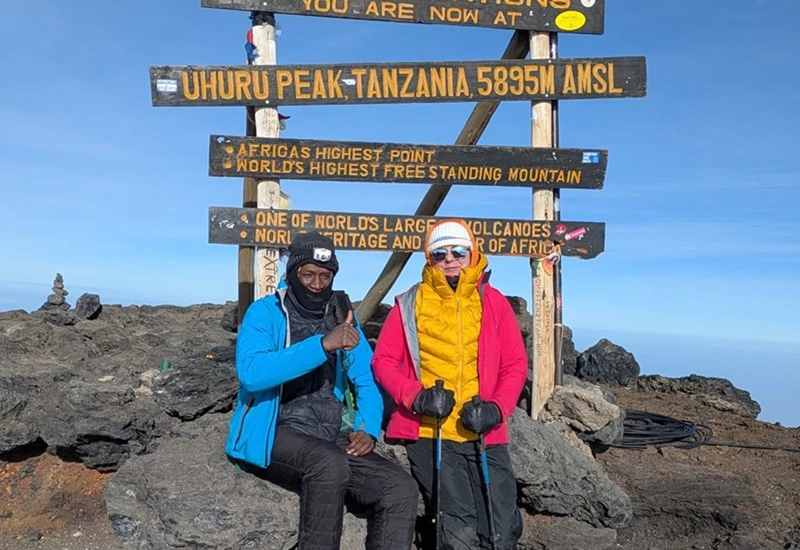
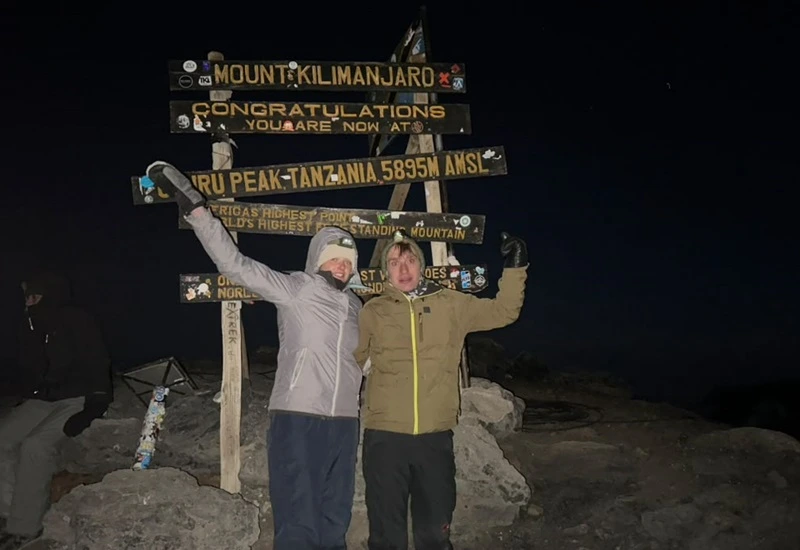
Kilimanjaro altitude sickness, also known as acute mountain sickness (AMS), is a common concern for climbers attempting to summit Mount Kilimanjaro. As the highest peak in Africa, reaching an elevation of 5,895 meters (19,341 feet), Kilimanjaro presents significant altitude-related challenges. In this guide, we’ll explore effective strategies on how to avoid Kilimanjaro altitude sickness and ensuring a safe ascent to the summit.
Understanding Altitude Sickness
Altitude sickness occurs when the body is unable to acclimatize to the reduced oxygen levels at high altitudes. Symptoms may include headaches, nausea, dizziness, fatigue, and difficulty breathing. Severe cases can lead to life-threatening conditions such as high-altitude cerebral edema (HACE) or high-altitude pulmonary edema (HAPE). Understanding the symptoms and risks of altitude sickness is crucial for all Kilimanjaro trekkers.
Choosing the Right Route
Selecting the appropriate Kilimanjaro trekking route can significantly impact your risk of altitude sickness. Routes like the Machame and Lemosho offer more gradual ascents, allowing for better acclimatization and reducing the likelihood of altitude-related complications. Alternatively, routes with rapid ascents, such as the Marangu route, may increase the risk of altitude sickness due to shorter acclimatization periods.
Gradual Acclimatization
One of the most effective ways to prevent Kilimanjaro altitude sickness is through gradual acclimatization. Climbers should plan their itinerary to include rest days and gradual altitude gains, allowing the body time to adjust to the decreasing oxygen levels. Slow, steady ascents and adequate hydration are essential for minimizing the risk of altitude-related symptoms.
Hydration and Nutrition
Staying hydrated and well-nourished is crucial for combating altitude sickness. Dehydration can exacerbate symptoms and increase the risk of complications. Climbers should drink plenty of water throughout the trek and consume a balanced diet rich in carbohydrates, proteins, and fats to maintain energy levels and support acclimatization.
Medications and Supplements
In some cases, climbers may consider taking medications or supplements to prevent or alleviate altitude sickness symptoms. Acetazolamide (Diamox) is a common medication used to prevent altitude sickness by increasing respiratory rate and aiding acclimatization. However, climbers should consult with a medical professional before taking any medications and be aware of potential side effects.
Recognizing and Responding to Symptoms
Despite preventive measures, altitude sickness can still occur. It’s essential for climbers to recognize the early signs of altitude sickness and take appropriate action. If experiencing symptoms such as headaches, nausea, or dizziness, climbers should rest, hydrate, and descend to lower elevations if symptoms persist or worsen.
Emergency Preparedness
Preparing for emergencies is essential when trekking at high altitudes. Climbers should familiarize themselves with the signs and symptoms of severe altitude sickness, such as confusion, loss of coordination, or coughing up pink, frothy sputum. Carrying a first aid kit, communication device, and emergency oxygen can provide vital support in case of emergencies.
Conclusion: Safe and Successful Ascent
By understanding the risks of altitude sickness and implementing preventive measures, climbers can enjoy a safe and successful ascent of Mount Kilimanjaro. With careful planning, gradual acclimatization, and proper hydration and nutrition, you can conquer Africa’s tallest peak while minimizing the risk of altitude-related complications. Remember to listen to your body, monitor symptoms closely, and prioritize safety above all else on your Kilimanjaro adventure.
Kilimanjaro trek adventure: Inquiry Form
Required fields are marked *
Kilimanjaro trek adventure - Related Articles


Ready to organize an unforgettable African adventure?
Grace is available to assist you and can provide a free quote with no obligation.