Ndutu Safari Tanzania | Calving Season & Migration
Plan a Ndutu safari in Tanzania during the Great Migration calving season. See wildebeest, newborn calves and predators across the southern Serengeti plains.
Get Your PDF Instantly
Ndutu Safari Tanzania – Great Migration & Calving Season
A Ndutu safari in Tanzania offers one of the most remarkable wildlife experiences in East Africa. Each year, vast herds of wildebeest, zebra and gazelle gather across the short-grass plains of the southern Serengeti ecosystem, creating the perfect conditions for the famous Great Migration calving season.
From late December through March, the Ndutu area becomes an important gathering and calving ground for the migrating herds. The peak calving period is generally around January and February, when travelers have the opportunity to witness newborn wildebeest, large herds, dramatic predator activity and the beautiful green landscapes created by the seasonal rains.
If you are looking for a Ndutu safari, wildebeest calving safari or Great Migration experience in Tanzania, Ndutu is a destination worth adding to your itinerary.
What Makes Ndutu Special?
Ndutu is famous for its connection to the annual Great Wildebeest Migration and, particularly, the calving season.
Unlike the famous Mara River crossings that take place later in the migration cycle, Ndutu offers travelers a different side of the Great Migration: birth, new life and intense wildlife interactions on the southern plains.
The area is characterized by open short-grass plains, seasonal lakes, marshes and acacia woodland. These habitats support both migratory herds and resident wildlife throughout the year.
During the calving season, the concentration of animals makes the area especially exciting for game drives and wildlife photography.
Ndutu Calving Season
The Ndutu calving season generally takes place between January and March, with the most concentrated calving activity often occurring around February.
The herds usually begin moving toward the southern plains after the short rains, following fresh grazing. As the grass becomes rich and nutritious, large numbers of wildebeest gather in the Ndutu area to give birth.
For travelers, this creates an extraordinary safari atmosphere.
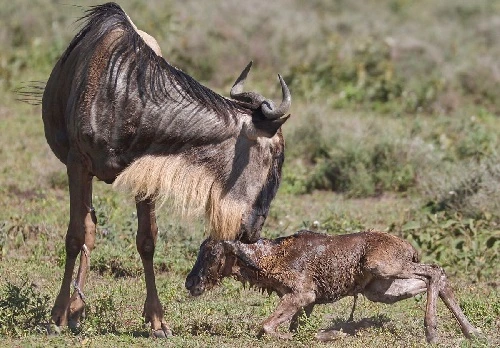
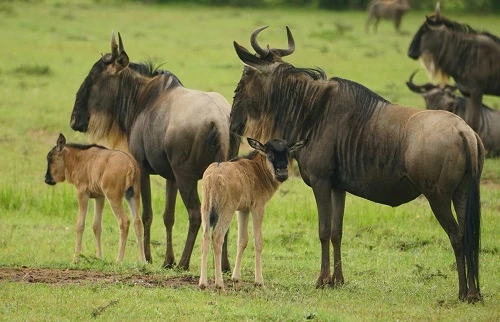
You may see wildebeest mothers with newborn calves, young animals learning to move with the herd, zebras grazing alongside wildebeest and predators carefully watching the plains.
The exact timing of the migration is influenced by rainfall, grass and water availability, so wildlife movements can vary from one year to another. For this reason, we recommend planning your Ndutu safari around the broader calving season rather than relying on a single fixed date.
When Is the Best Time to Visit Ndutu?
If your main goal is to experience the wildebeest calving season, late January and February are generally the most popular period to visit Ndutu.
December
The migrating herds begin gathering in the southern plains as seasonal rains provide fresh grazing. The landscape can be beautifully green, although the main calving concentration may not yet have developed.
January
Herd numbers generally increase and calving activity becomes more noticeable. January can be a great choice for travelers who want to experience the beginning of the calving season.
February
February is commonly considered the peak Ndutu calving period. Large concentrations of wildebeest and newborn calves can be found across the southern plains, while predators are attracted by the abundance of vulnerable young animals.
March
The herds may still remain in the Ndutu area, depending on rainfall and grazing conditions. March can provide excellent wildlife viewing, although the migration gradually begins changing location as the season progresses.
April
As conditions change, the migrating herds generally begin moving away from the southern plains. Ndutu can still offer resident wildlife and beautiful landscapes, but travelers specifically interested in the calving season should prioritize the earlier months.
Wildlife You Can See in Ndutu
Ndutu is not only about wildebeest. The abundance of prey during the migration attracts a variety of predators and other wildlife, making game drives particularly rewarding.
Depending on the season and conditions, you may see:
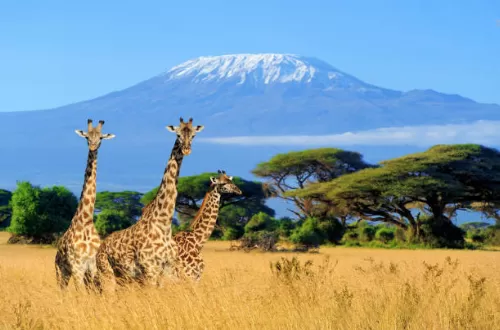
Wildebeest, Zebra, Gazelle, Lions, Cheetahs, Spotted hyenas, Leopards, Jackals, Elephants, Giraffes, Ostriches, Impalas, Dik-diks, Numerous bird species
Predators During Calving Season
One of the most exciting aspects of a Ndutu calving safari is the relationship between newborn animals and predators.
Lions, cheetahs and spotted hyenas are among the predators that can be encountered around the plains, while leopards are often associated with areas of woodland.
The presence of large numbers of newborn animals creates opportunities to observe natural predator-prey behavior. However, wildlife sightings can never be guaranteed, and responsible safari guides always prioritize the welfare of the animals.
Ndutu Safari for Wildlife Photography
Ndutu is an excellent destination for photographers who want to capture the Great Migration beyond the famous river crossings.
The open plains provide beautiful opportunities for wide landscape photographs, while the calving season creates opportunities to photograph: Large wildebeest herds, Newborn calves, Wildebeest and zebra together, Lions and cheetahs, Predator behavior, Birds of prey, Green landscapes after the rains, and Sunrise and sunset over the southern plains.
For photographers, spending several days in the area allows more time to follow changing wildlife activity rather than rushing between destinations.
How Many Days Do You Need for a Ndutu Safari?
We recommend allowing at least two to three nights in the Ndutu area if the Great Migration and calving season are the main reasons for your trip.
More time can give your safari greater flexibility because wildlife is constantly moving. A longer itinerary can also combine Ndutu with other Northern Tanzania destinations such as Tarangire, Ngorongoro Crater, Central Serengeti, and Lake Manyara.
Your ideal itinerary will depend on your travel dates, budget, accommodation preference and wildlife interests.
How to Get to Ndutu
Ndutu can be included in a Northern Tanzania safari itinerary from Arusha or combined with other destinations in the Serengeti and Ngorongoro ecosystem. Many travelers combine Ndutu with Ngorongoro Crater, as the two destinations complement each other well.
Where to Stay During a Ndutu Safari
Accommodation is an important part of planning a Ndutu safari, particularly during the busy calving season. Travelers can choose from different accommodation styles depending on their budget and preferred level of comfort, including:
Seasonal mobile tented camps
Permanent tented camps
Safari lodges
Camping safaris
Mid-range accommodation
Luxury tented camps
Staying close to the active wildlife areas can reduce unnecessary driving and give you more time for game viewing. Because accommodation around Ndutu can be in high demand during the peak calving season, we recommend booking your safari early, particularly for January and February travel.
Ndutu Tanzania Safari Cost
The cost of a Ndutu safari in Tanzania depends on several factors, including; Number of safari days, number of travelers, accommodation category, and travel dates.
There is no single price that suits every traveler.
At African Safari Deal, we can prepare a custom Ndutu safari package according to your travel dates, preferred accommodation and budget.
Can You Combine Ndutu With Ngorongoro Crater?
Yes. Combining Ndutu and Ngorongoro Crater is an excellent way to experience two very different wildlife environments in one Tanzania safari.
Ndutu is particularly famous for the seasonal Great Migration and calving season, while Ngorongoro Crater offers excellent resident wildlife viewing throughout the year.
A combination of the two can create a balanced itinerary featuring: Great Migration + Wildebeest Calving + Predators + Ngorongoro Crater Wildlife
For travelers visiting Tanzania between January and March, adding Ndutu to a Northern Circuit safari can be an especially attractive option.
Why Choose African Safari Deal for Your Ndutu Safari?
At African Safari Deal, we are a Tanzania-based safari company specializing in wildlife experiences across Tanzania’s Northern Circuit.
Our team can help you plan your Ndutu safari around your travel dates and interests, while keeping the itinerary practical and comfortable.
Frequently Asked Questions About Ndutu Safari
What is Ndutu famous for?
Ndutu is famous for the Great Wildebeest Migration, particularly the annual calving season when large numbers of wildebeest gather on the southern plains.
When is the Ndutu calving season?
The calving season generally occurs from January to March, with peak activity commonly around February. Exact timing can change depending on rainfall and grazing conditions.
What is the best month to visit Ndutu?
February is generally the most popular month for travelers specifically interested in the wildebeest calving season. Late January and March can also offer excellent wildlife viewing.
Can I see the Great Migration in Ndutu?
Yes. Ndutu is an important area of the southern part of the Great Migration cycle, particularly during the calving season.
Can I see predators in Ndutu?
Yes. Lions, cheetahs and spotted hyenas can be found in the area, and the abundance of prey during calving season can create excellent opportunities for predator sightings. Wildlife sightings are never guaranteed.
How many days should I spend in Ndutu?
We recommend at least two to three nights if the Great Migration and calving season are the main focus of your safari. More nights provide additional time to follow wildlife movements.
Can I combine Ndutu with Ngorongoro Crater?
Yes. Ndutu and Ngorongoro Crater can be combined in a Northern Tanzania safari itinerary, giving travelers the opportunity to experience both seasonal migration wildlife and resident crater wildlife.
Is Ndutu suitable for a budget safari?
Yes. Ndutu can be included in different safari styles. Your final cost depends on accommodation, number of travelers, travel dates and itinerary.
When should I book a Ndutu safari?
For travel during the peak January and February calving season, booking early is recommended because accommodation in the Ndutu area can be in high demand.
Are wildlife sightings guaranteed in Ndutu?
No. Wildlife is free to move across a large ecosystem, and migration timing depends on natural conditions. Experienced guides monitor wildlife movements and adjust game drives where possible to improve opportunities for sightings.
Plan Your Ndutu Safari With African Safari Deal
Ndutu is where the Great Migration tells a different story — not only of movement, but of birth, survival and the circle of life. Whether you want to witness the wildebeest calving season, photograph newborn animals, search for predators or simply experience the spectacular landscapes of Southern Tanzania’s Serengeti ecosystem, we can help you plan your safari around the experience you want.
Contact African Safari Deal today and start planning your Ndutu safari in Tanzania.
Ready to organize an unforgettable African adventure?
Grace is available to assist you and can provide a free quote with no obligation.